
What is IPv6 Proxy? Should You Use It for Multi-Account Management?

As the demand for managing dozens or hundreds of e-commerce accounts, ad accounts, and customer channels grows, IPv4 proxy expenses become a significant burden.
Many marketers and merchants look for cost-effective alternatives, and IPv6 proxies are often highlighted for their abundance and lower cost. But is IPv6 truly effective for safe multi-account management?
This guide explores what IPv6 proxies are, compares them to IPv4, and helps you determine whether IPv6 fits your operational workflow.
Table of Contents
What is an IPv6 Proxy?
IPv6 (Internet Protocol version 6) is the latest network protocol designed to replace the exhausted IPv4 address pool. With its 128-bit architecture, IPv6 provides virtually unlimited addresses.
An IPv6 proxy acts as an intermediary server that routes your network traffic using an IPv6 address, concealing your original IP.
It allows devices to communicate with websites and applications that support the IPv6 standard.
Technical Note
Unlike IPv4's 32-bit format (e.g., 192.168.1.1), IPv6 uses 128-bit hexadecimal strings (e.g., 2001:0db8:85a3::8a2e:0370:7334).
IPv6 Proxy vs IPv4 Proxy: Key Differences
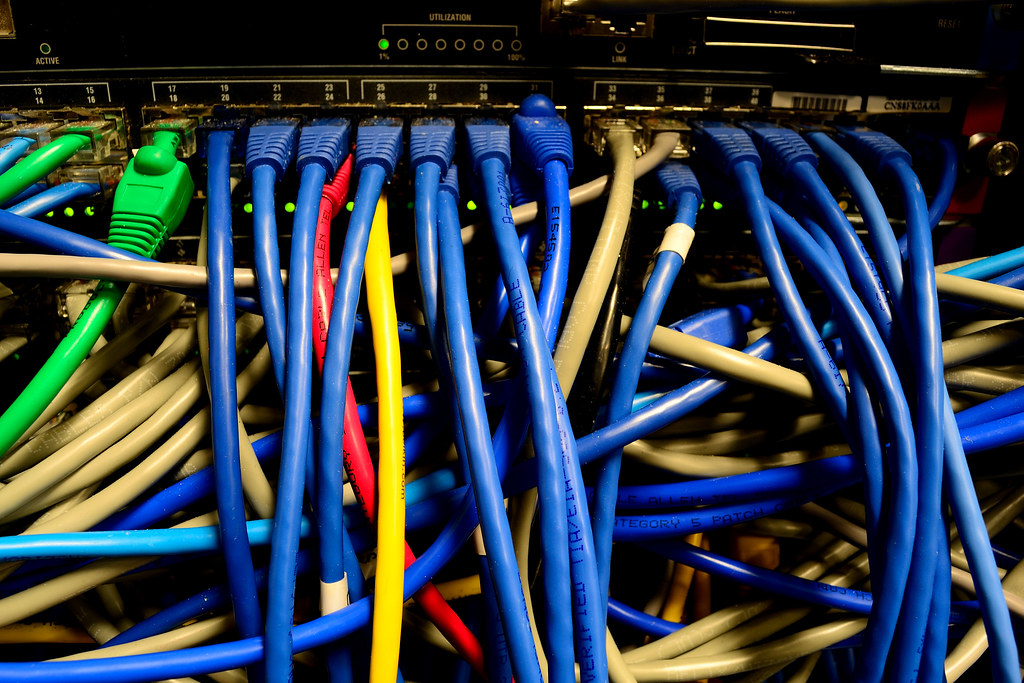
Photo: Open Grid Scheduler / Grid Engine / flickr · CC0
The primary difference lies in address availability and web compatibility. Due to IPv4 scarcity, dedicated IPv4 proxies remain relatively expensive.
In contrast, IPv6 proxies are significantly cheaper and more abundant, making them attractive for high-volume setups.
However, IPv6 compatibility is not universal. Some legacy platforms do not yet support IPv6 traffic, which can restrict connection access.
- Address Capacity: IPv4 is limited; IPv6 is practically infinite.
- Cost: IPv4 proxies are expensive; IPv6 proxies are budget-friendly.
- Compatibility: IPv4 works everywhere; IPv6 requires target site support.
Should You Use IPv6 Proxies for Multi-Account Management?
If your target platforms support IPv6 (such as Google, Facebook, or LinkedIn), using IPv6 proxies can substantially reduce infrastructure costs.
For platforms lacking IPv6 support, sticking to IPv4 proxies is necessary to avoid connectivity issues.
A hybrid approach often works best: leverage IPv6 where supported, and reserve IPv4 for platforms requiring legacy support.
Common Pitfalls When Using IPv6 Proxies
Relying solely on IP changing is a common mistake. Modern detection engines inspect browser fingerprints alongside IP addresses.
Using public or flagged IPv6 subnets can also lead to account restrictions if shared with unverified users.
Workflow for Multi-Account Setup
Combining clean proxies with an antidetect browser ensures complete environment isolation.
Assigning each proxy to an isolated profile prevents cookies and browser fingerprints from cross-contaminating.
Managing Proxies Efficiently with PUR Browser
PUR Browser enables teams to manage multiple browser profiles seamlessly while binding HTTP/SOCKS5 proxies.
It automatically aligns timezones, languages, and WebRTC settings to match the proxy location, keeping profile data locally secured.
Experience PUR Browser — Unlimited Profile Anti-Detect Browser
100% Canvas, WebGL, and WebRTC isolation. Ultra-lightweight build saving 45% RAM. Download and try for free today!
Conclusion
Understanding IPv6 proxies enables businesses to make cost-effective infrastructure decisions. Pairing reliable proxies with an isolated profile browser ensures stable multi-account operations.
Download PUR Browser for free at purbrowser.com to streamline your multi-account management workspace today.
Frequently Asked Questions
Is IPv6 Proxy cheaper than IPv4 Proxy?
Yes, IPv6 proxies are generally much cheaper than IPv4 due to the vast availability of IPv6 addresses.
Do all websites support IPv6?
No. Major sites like Google and Facebook support IPv6, but some platforms still rely exclusively on IPv4.
Does using IPv6 proxy guarantee account safety?
No, proxy only masks the IP. You also need an antidetect browser to manage browser fingerprints effectively.
Does PUR Browser support IPv6 proxies?
Yes, PUR Browser supports both IPv4 and IPv6 proxies via HTTP and SOCKS5 protocols.